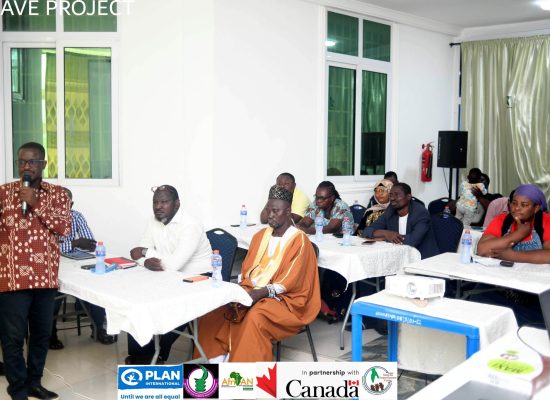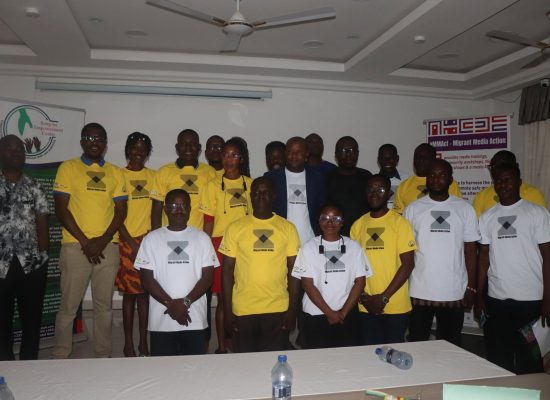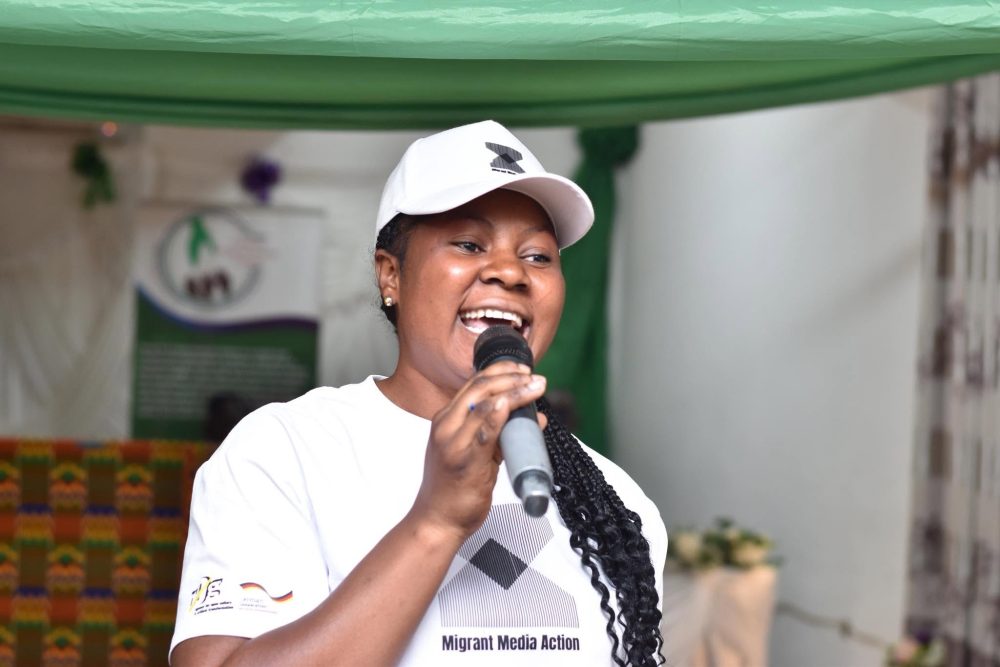
A journalist from GBC in Tamale has stated that “The media is mostly used to discuss politics in Ghana, while critical issues like migration are often overlooked.” This observation sheds light on a significant gap in our media landscape, where pressing matters such as migration are relegated to the background, overshadowed by political discourse.
Irregular migration is not merely a statistic or a headline; it represents the complex realities of real people, their struggles, and their aspirations. Each statistic corresponds to a life filled with hopes and dreams, often intertwined with the challenges of seeking better opportunities. The impact of migration extends beyond individuals; it affects families, disrupts livelihoods, and shapes the futures of countless young people in our communities.
Despite its importance, meaningful discussions surrounding migration are alarmingly scarce. We find ourselves in a situation where the risks associated with irregular migration, the harsh realities faced by migrants, and the potential for safer, informed choices are not adequately addressed. This lack of dialogue leaves many in our communities uninformed and vulnerable, unable to make educated decisions about their futures.
As stakeholders, media professionals, and development actors, we must engage in critical self-reflection. Are we giving enough attention to the issues that truly impact lives? Are we amplifying the voices of those affected by migration, or are we allowing their stories to be silenced in favor of more sensational political narratives?
It is time to shift the narrative. We must leverage the media not just for political discourse but also to educate, inform, and amplify the stories that truly matter. By doing so, we can foster a more informed public that understands the complexities of migration and its implications for our society.
Let us commit to creating a media environment where critical issues like migration are brought to the forefront, where the stories of individuals are told with empathy and depth, and where we collectively work towards solutions that prioritize human dignity and safety. Together, we can reshape the conversation and ensure that the media serves as a platform for all voices, especially those that have been historically marginalized.